

What is the best type of wood bat?
All bats are not created equal because not all hitters are created equal. At Phoenix Bats, we produce high quality wood bats forged from maple and birch to create the most durable wood bats on the market for every hitter out there.
Jump to a wood
Quick hits at a glance
Maple vs. birch
Maple
Learn moreBirch
Learn more- Most pop for biggest hits
- Best inside pitch protection
- Used by more pros
- Best if miss-hit all over bat
- Closer to maple’s pop
- Good choice if new to wood
Strongest all around · most dense · not much “give”
Closer to maple · provides some flex
Less visible · engraves the best
Less visible (similar to maple)
How do you determine which type of wood versus another? Each hitter has different bat weight and/or dimension requirements, different swing mechanics, and different needs out of their bat. We’re here to help you know the general differences between the woods.

Recommended for
Sluggers and far-down-the-barrel miss-hitters
Why choose maple wood bats
Maple
Look great at the plate, and look better on your home trot after a new maple bat gives you the extra power you’ve been looking for.
Pros
- Hardest wood, tightest grain
- Less give; more energy is transferred to propel the ball
- Extra power — adds 10–15 feet over less dense wood
- Best feeling of “crushing” the ball
- Crisp loud “pop” when ball is hit
- Engraving and colors really stand out
- “The” wood for the sharpest look
Takeaway: Look great at the plate, and look better on your home trot after a new maple bat gives you the extra power you’ve been looking for.
Cons
- Not good for novice hitters
- Not a good choice for hitters who miss-hit off the end of the bat
- Hard to make a model lighter than original design
- Shortest sweet spot
- Strong but rigid — the least “give” or “flex” that helps with end shots
- Tends to come in at very specific weight by model type
Takeaway: The hitter that doesn't like to crowd the plate or who drives more balls off the end of the barrel might want to explore other options that we provide at Phoenix Bats.
Setting the record straight
Are maple bats dangerous?
One common misconception is that maple bats are dangerous. Because of how dense and hard maple is, when it breaks a piece that comes loose may fly further. This is a controversial topic in the major leagues although it is still not widely believed that bats made from maple are the problem. There is much more proof linking bat dimensions and wood quality to breakage.
Neither is a concern with maple bats made here at Phoenix as we use straight grained, pro-graded maple in designs for all types of ball players. Even if you decide that a maple bat does not fit your hitting style, the Phoenix Risk Free Guarantee gives you the opportunity to return it within 10 days of your purchase.
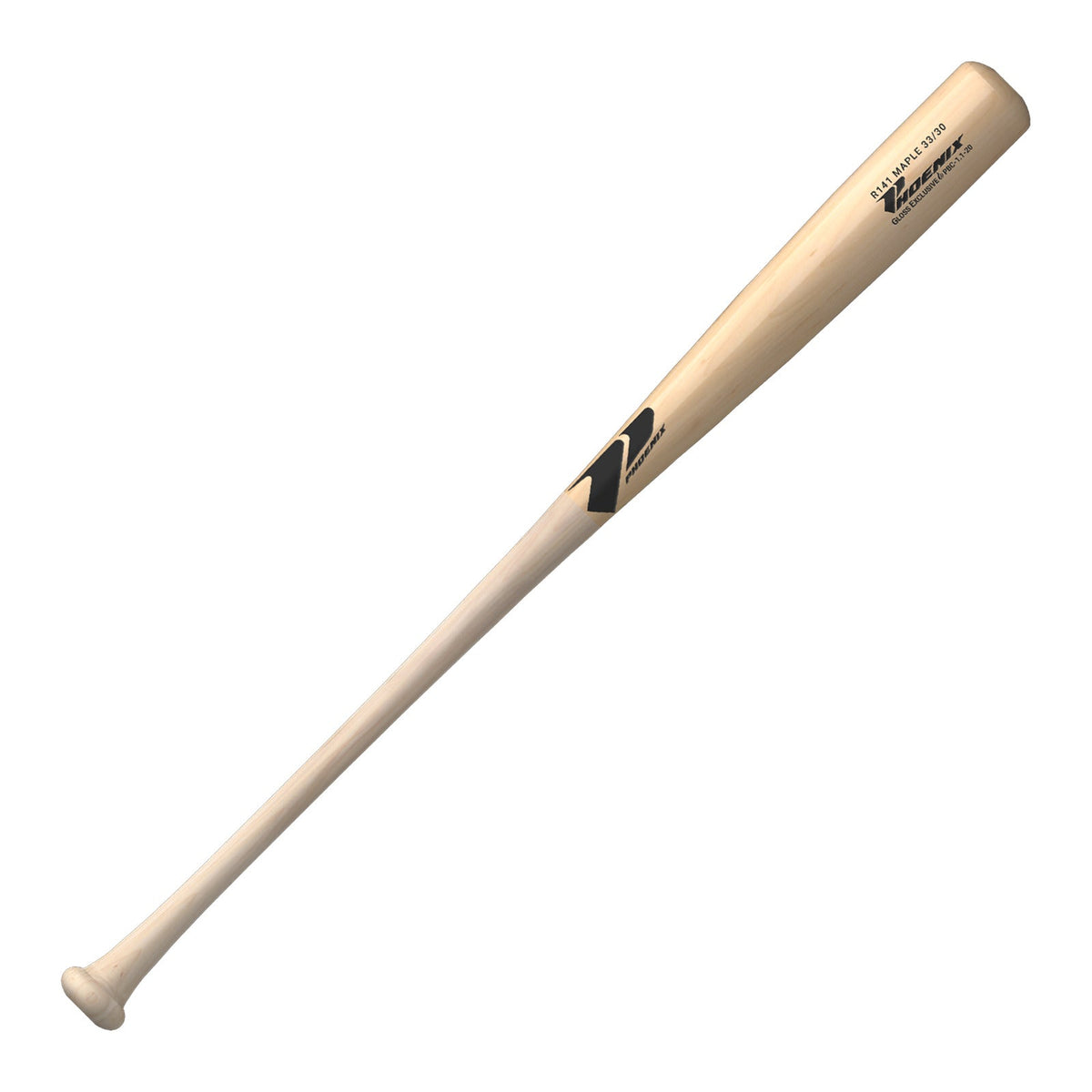
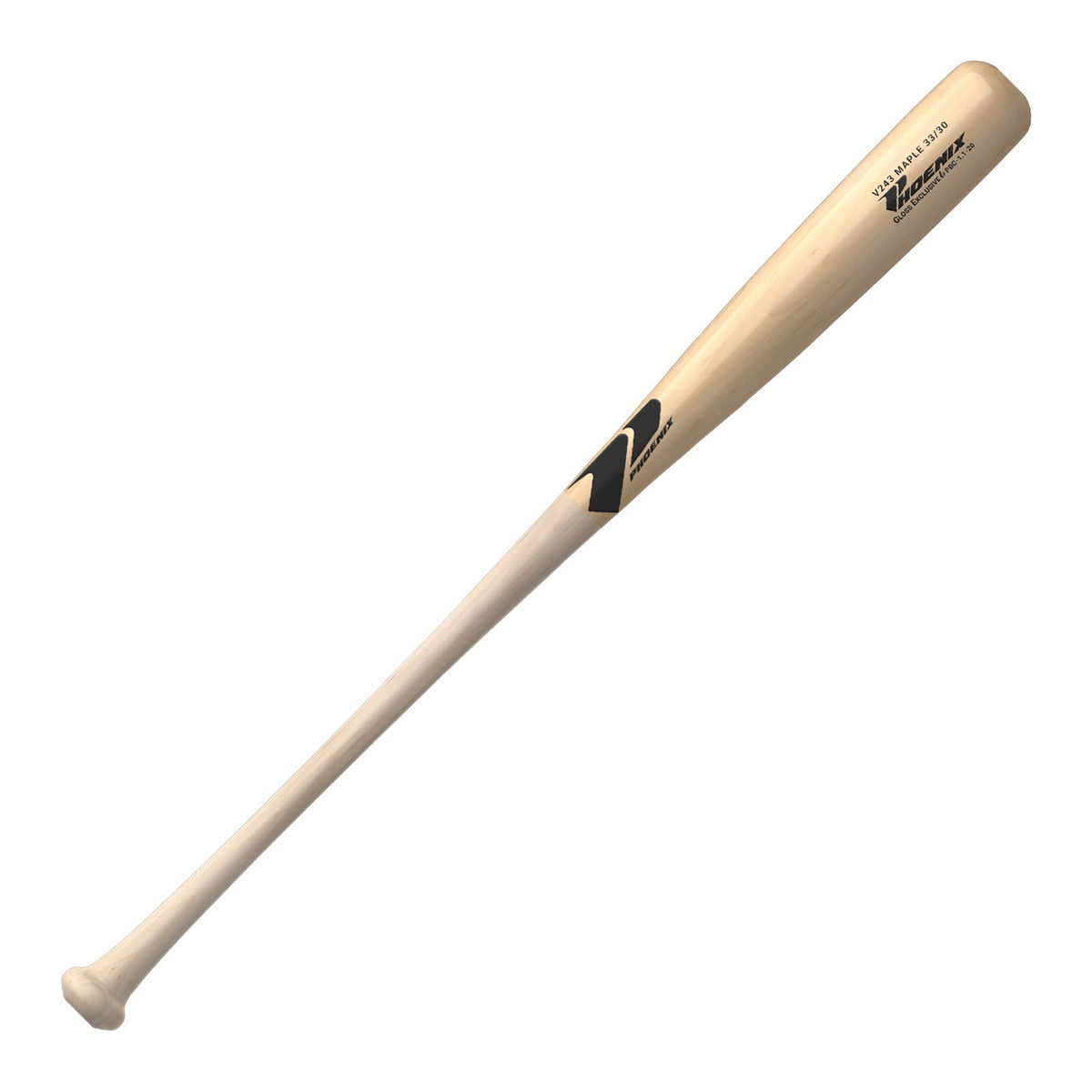
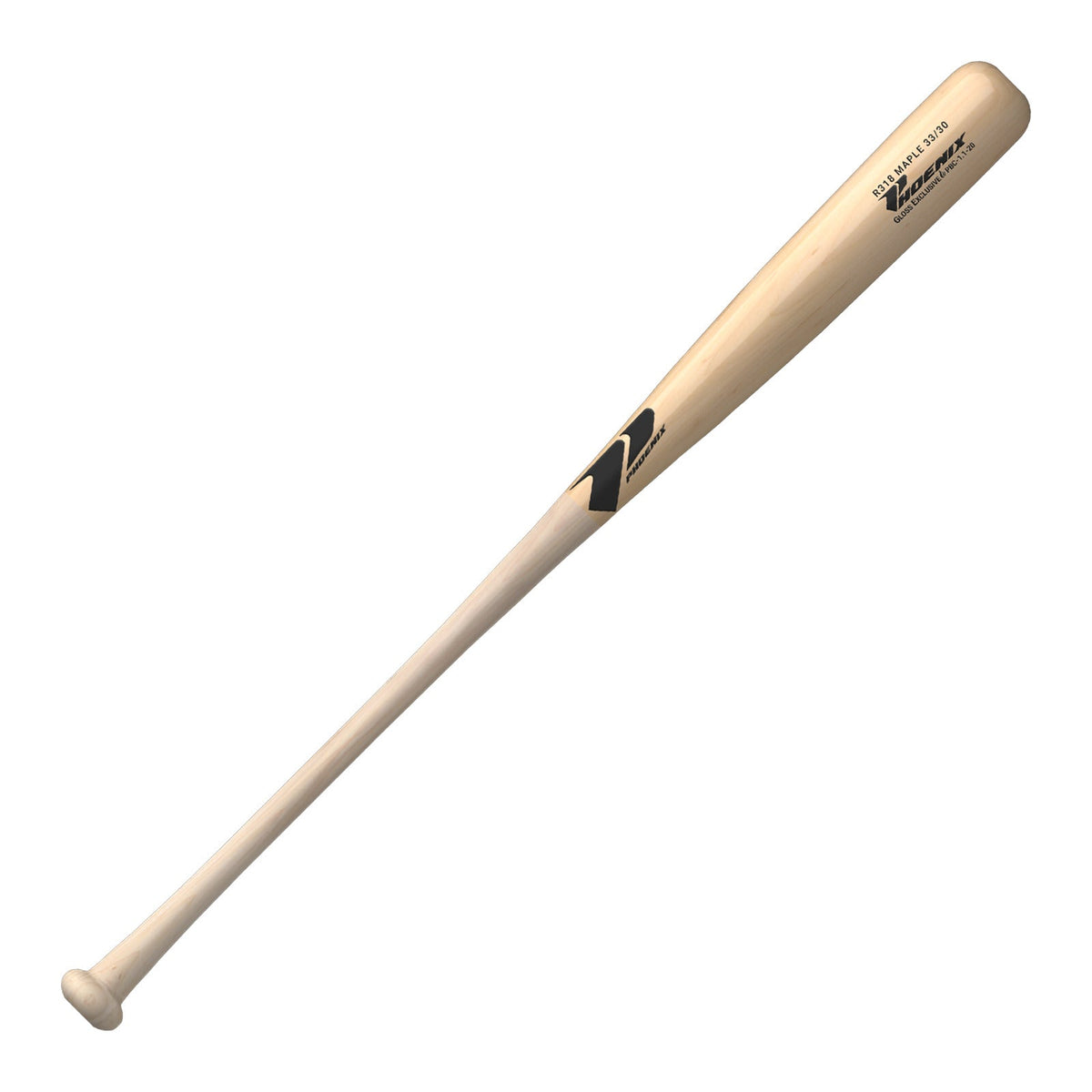
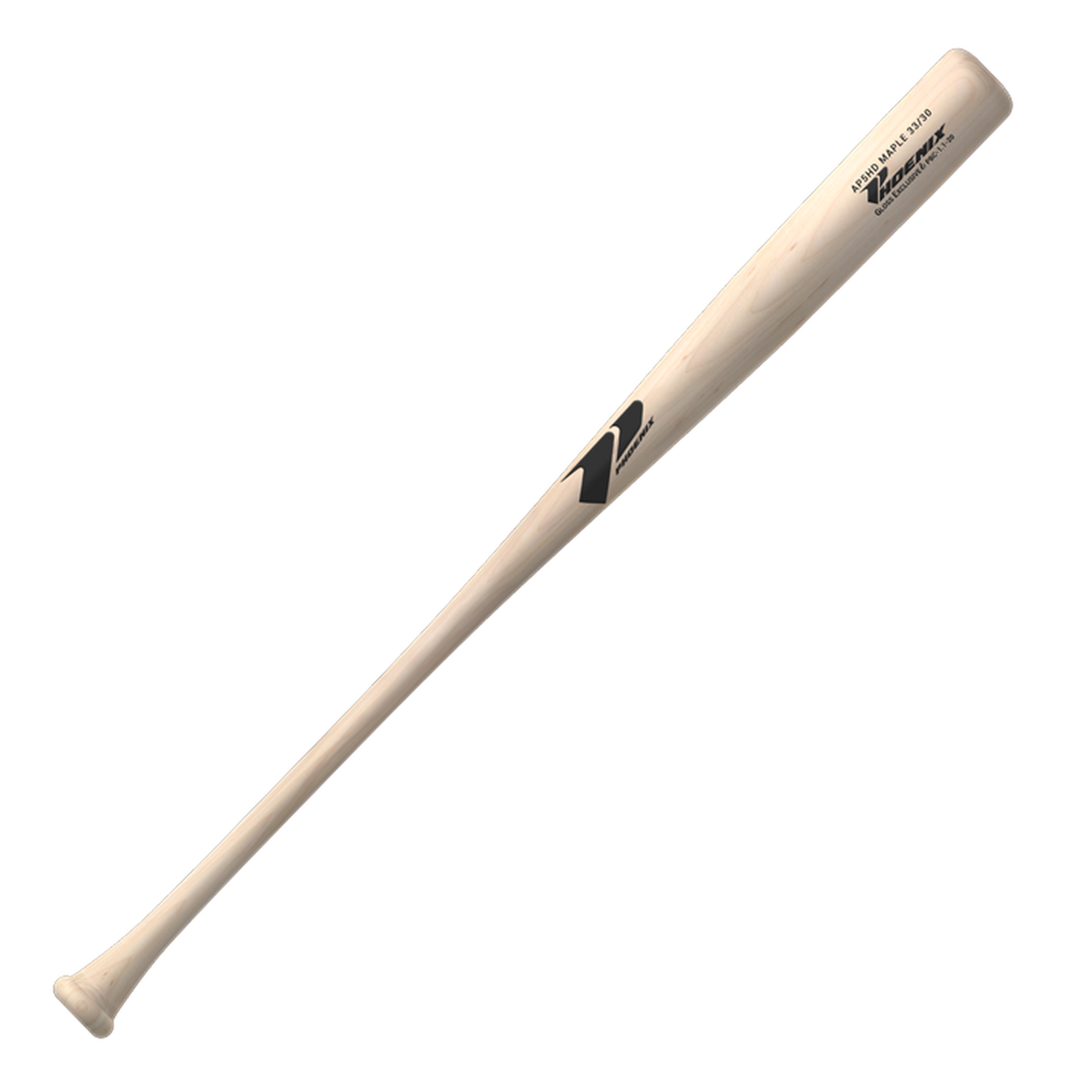
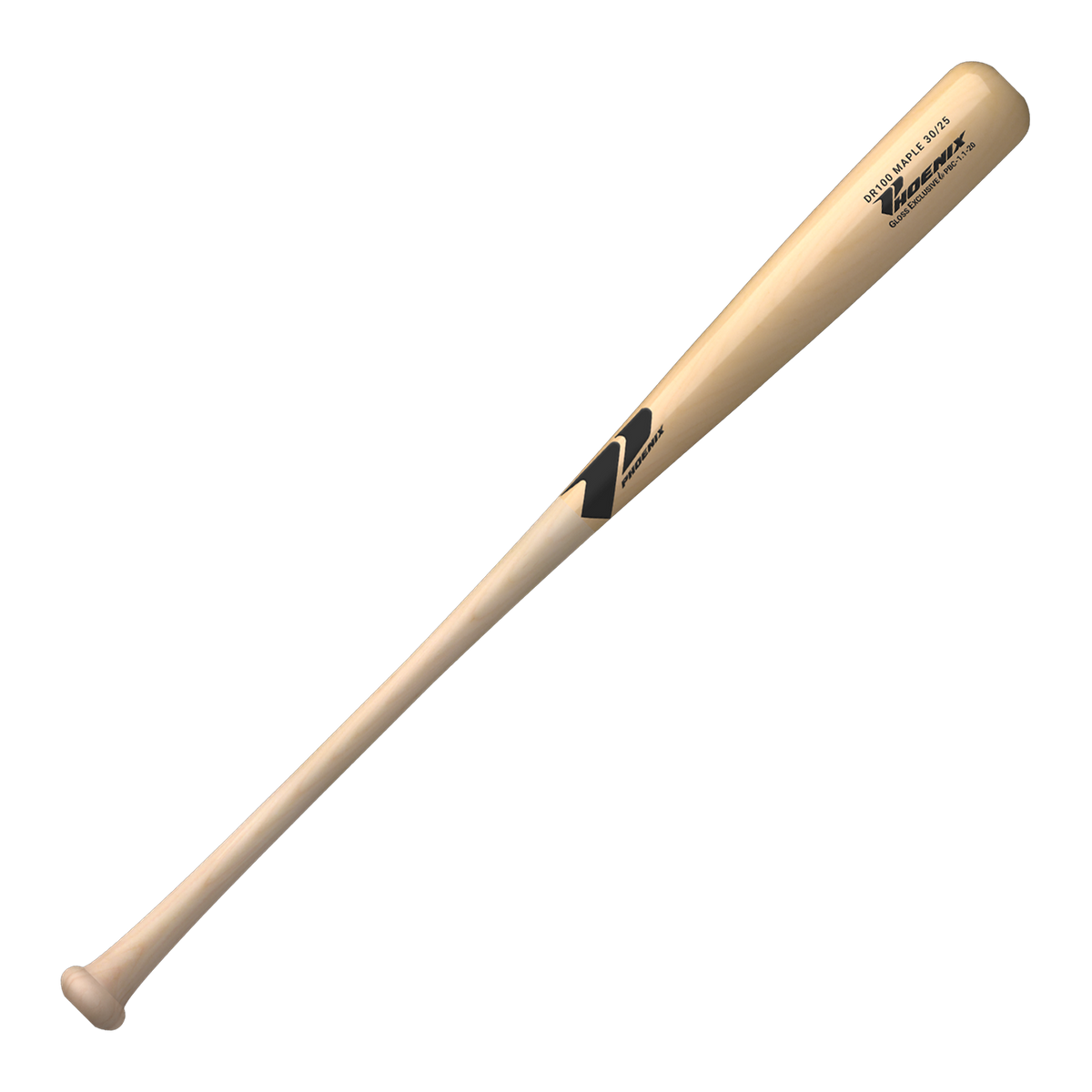
Our most popular maple bats
Shop all maple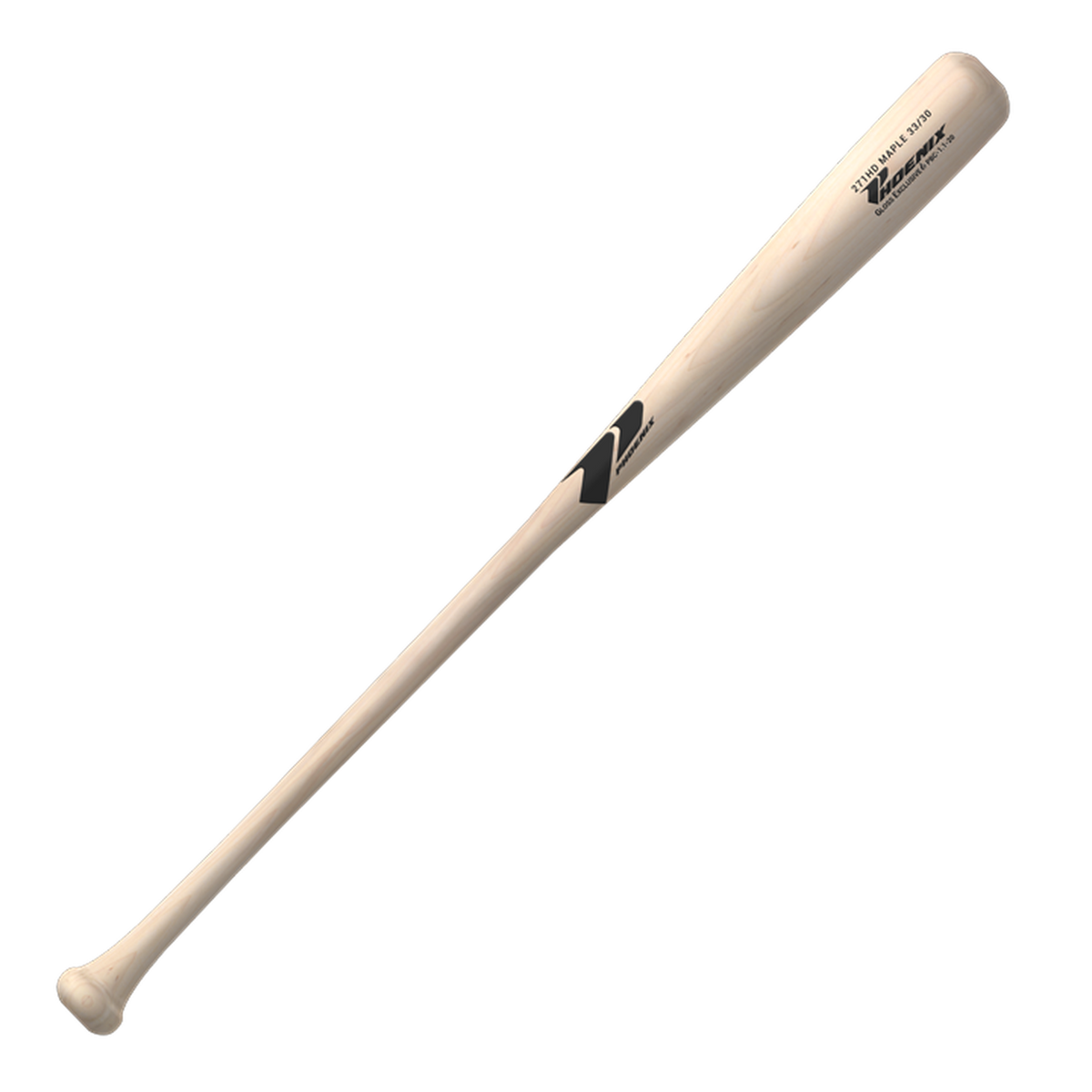

Recommended for
First-time hitters & all-over miss-hitters
Why choose birch wood bats
Birch
There's been a recent rise in wood bat baseball, sprouting up more wood bat tournaments, new wood bat leagues, and increased wood bat training. Coupled with a change in metal bat standards, a new generation of players has emerged who have never swung wood before. Metal masked proper form, so the undisciplined player, who never really learned where to hit on a bat, needed a wood bat that would be a little more forgiving. Birch bats have helped fill this void for the player with ball marks up and down, and all-around, the barrel.
Pros
- Great for first-time wood bat swingers
- Falls between maple and ash for wood density
- Closer in strength to maple
- Good protection against inside pitches
- Still get some “flex”
- Protection against the cue-ball-off-the-end-of-the-bat mishit
Takeaway: Consider birch your best insurance policy when you just don’t have the discipline yet on where to hit on a wood bat.
Cons
- Weights tend to be very similar to maple bats, eliminating it as an option on some youth bats
- Must be hit for a little bit to “firm up” and reach maximum hardness
- Not a good option for those who want increased bat speed without giving up a bigger barrel
- If you’re prone to mishitting off the end of the barrel, birch won’t flex like ash did
Takeaway: While birch provides the best solution for the player who miss-hits all over the bat, it doesn't deliver every benefit of maple. All that said, we believe our birch should be a strong consideration for any player, especially the player new to wood bats.
Our most popular birch bats
Shop all birch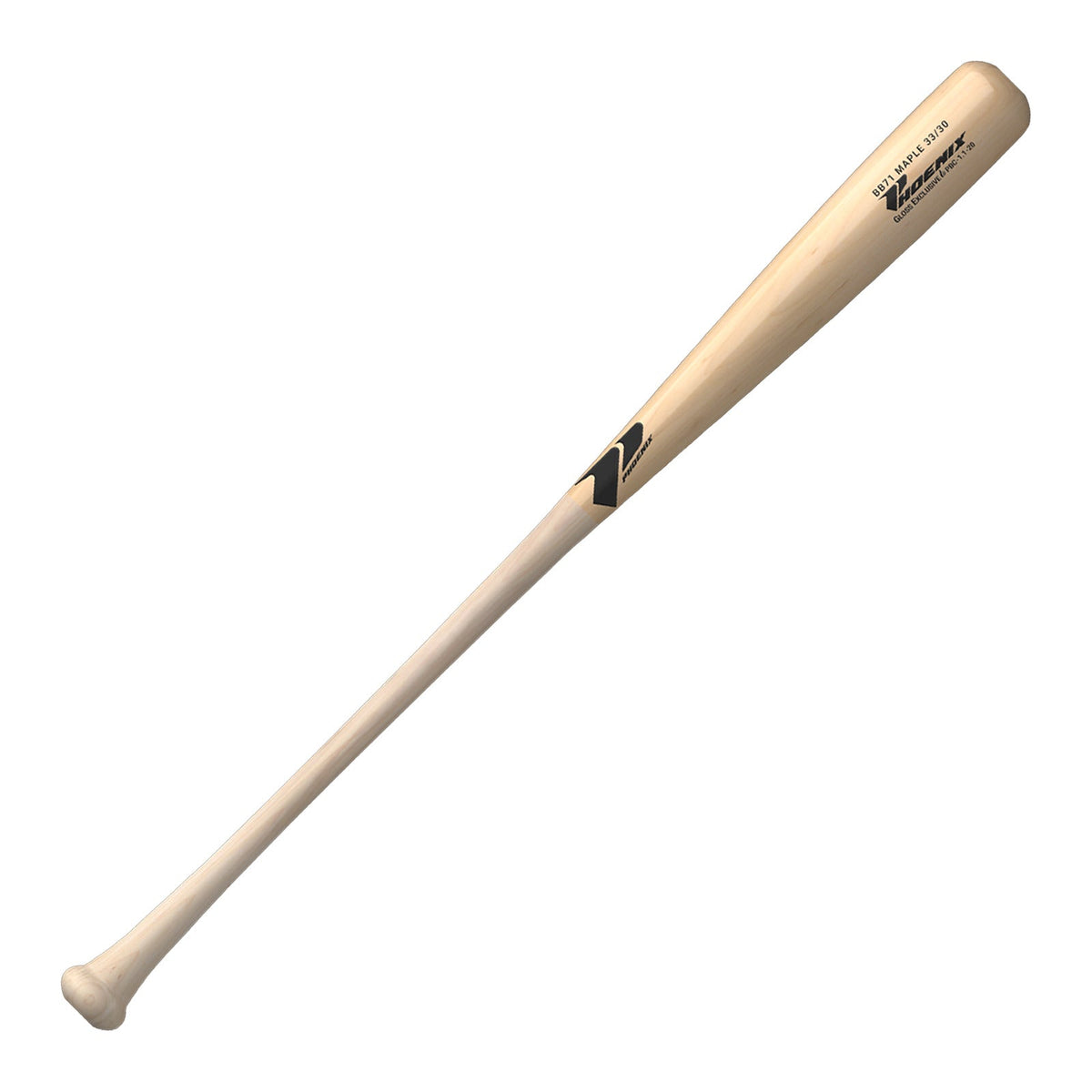
Want some personal help?
Call us — we'll find the right bat together